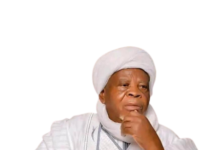

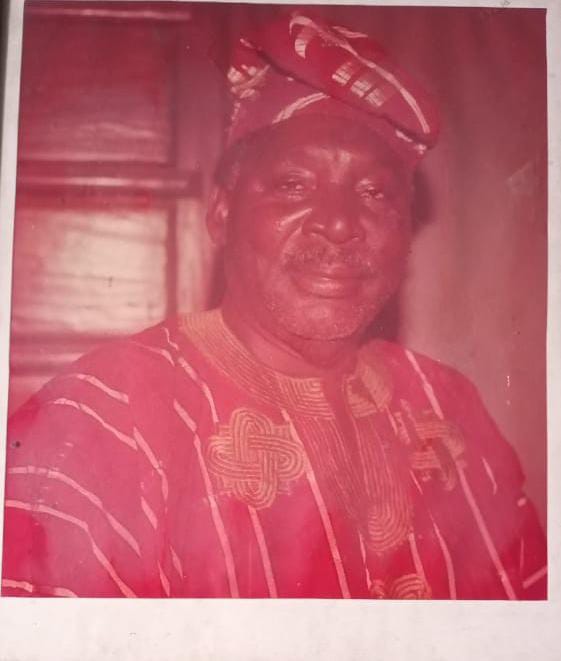
Pa Timothy Adekanmbi Amoo (Ti Oluwa ni yio se A. Amoo)In the bustling heart of old Ibadan, where the hum of commerce mingled with the crackling of kola nut cracking and market evening banter, one name stood out among giants: Late Pa Timothy Adekanmbi Amoo, fondly known in his lifetime as Ti Oluwa ni yio se A. Amoo of Yemetu ‘Kanmbi’.
Four decades after his passing on 30 December 1985 at the age of 72, his story still resonates in the bylanes of Yemetu, Ibadan, Oyo state and beyond, in memory of a life lived with purpose, generosity and a deep sense of community.

Born in 1913, Pa Amoo emerged from a period when Ibadan was rapidly evolving from a traditional Yoruba capital into a cosmopolitan hub of trade and transport. Yet, even as modernity crept in, he stood rooted in the rich oral heritage of his people, proudly known by the oríkì that captures both reverence and poetic resonance:
Omo osorun Ogun,
Omo oparun jegede eti Yemetu,
Ela mokun kan ko gbodo je eran oga…, an oríkì that evokes strength, resilience and a spirit dignified and unbowed.
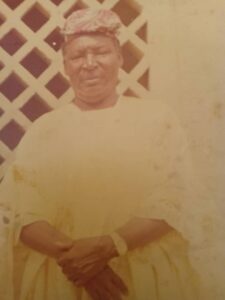
In the realm of Ibadan commerce, Pa Amoo was classed among the elite. His was not wealth measured merely by ledger balances, but by the breadth of his entrepreneurial footprint. He was a transport magnate, moving goods and people across roads that stitched southwestern Nigeria together. He owned sawmills that turned timber into livelihoods, not only for his family but for countless workers whose futures were built on his foresight. He also dealt in petroleum and general trading, commodities that powered the ambitions of his city during the transformative decades of the 1950s, ’60s and ’70s, decades that saw Nigeria gain independence and forge a new economic destiny. Yet, those who knew him insist that his philanthropy was his true signature.
In an era when middle class social safety nets were scarce and the state’s presence limited, Pa Amoo opened doors for the downtrodden. Friends, neighbours and even strangers remember him as a man who gave without ostentation, supporting education for youths, assisting in the times of sickness and contributing to community causes that uplifted the collective spirit of his neighbourhood.
His generosity was not just a matter of charity, but of responsibility, a belief that success was not complete unless it radiated outward. He was a benefactor in church gatherings, community meetings and family celebrations.
When Ibadan needed men of means to step forward during festivals or civic challenges, his hand was always raised, his purse always open.
There was dignity too in how he carried himself. Even as a leading businessman, Pa Amoo remained closely tied to his roots as a son of Yemetu and specifically of Yemetu Kanmbi, a community known for its rich cultural heritage and warmth of its people.
He carried the oríkì of Omo Ibadan, a broader identity that tied him to every corner of the ancient city with pride and humility.
Late Pa Adekanmbi Amoo’s passing on 30 December 1985 signaled the close of a remarkable chapter in Ibadan’s history. At 72, he had lived long enough to see the city thrive and transform, yet still young enough to leave behind a legacy that would shape generations.
Today, forty years after his exit, elders still recount his deeds, market traders still whisper his name with respect and the roads he once charted pulse with the life of a city he helped build.
To his family, friends and the wider Yemetu community, the simple prayer endures: May his gentle soul continue to rest in perfect peace.