
Lekan Yusuf, Ibadan.
The Yoruba Self-Determination Movement (YSDM) has reiterated its call for a new Yoruba identity, questioning the legitimacy of Nigeria’s 1999 Constitution and advocating a fresh consideration of the political aspirations of the Yoruba people.

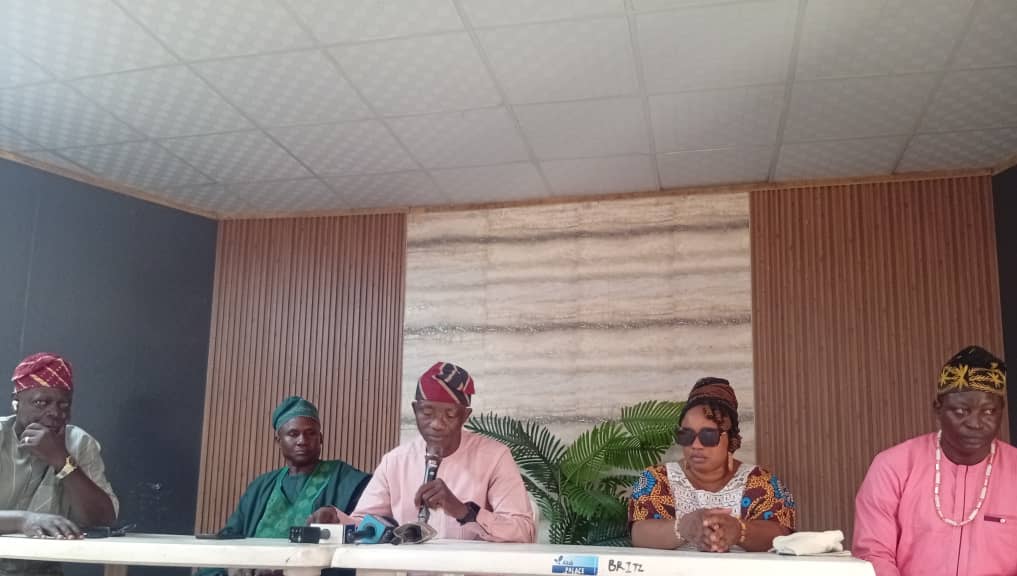
The movement stated its position through its representative, Comrade George Akinola, Deputy National Leader of YSDM, who argued that the Constitution did not emerge from a collective process in which Nigeria’s diverse ethnic nationalities participated in its drafting and adoption.
Speaking during the discussion, Akinola said a constitution should reflect the collective wishes and aspirations of the people it governs, insisting that the process through which Nigeria’s current Constitution was introduced deserved critical examination.
“A constitution is a document that reflects the desires and opinions of the people for whom it is established. The people must come together and agree on the document,” Akinola said.
Questioning the phrase “We the people” in the Constitution’s preamble, he argued that the wording suggested a collective decision-making process that, in the movement’s view, did not adequately involve Nigeria’s ethnic groups and communities.
Akinola alleged that the military selected individuals to draft the document before it was promulgated in 1999, maintaining that the process raised questions about its legitimacy among the Yoruba. He also claimed that legal challenges to the Constitution’s legitimacy remained unresolved, calling on Nigerians to examine and debate the issue.
Addressing the movement’s demands, Akinola said its position centred on establishing a distinct Yoruba identity and pursuing the aspirations of the people in a manner that protects their culture, heritage and collective interests.
He added that the movement had been asked to summarise its demands in three points, reiterating that its central concern was the future of the Yoruba people and their right to determine their political direction.
The renewed position forms part of the broader debate over Nigeria’s constitutional framework, national unity, restructuring and the demands of groups advocating greater self-determination for their respective ethnic nationalities.