
…Decries shortage of furniture, writing materials, security facilities
Lekan Yusuf, Ibadan.

The Seriki Fulani of Oyo State, Alhaji Yakubu Bello, has appealed to the state government to urgently rehabilitate dilapidated structures and provide essential learning materials in nomadic schools across the state to improve access to education among Fulani children.
Bello, who is also the Ardo Fulani of Oyo State, made the appeal during an exclusive interaction with acrossnigerianews.com at his office along KM2, Iseyin-Moniya Road.
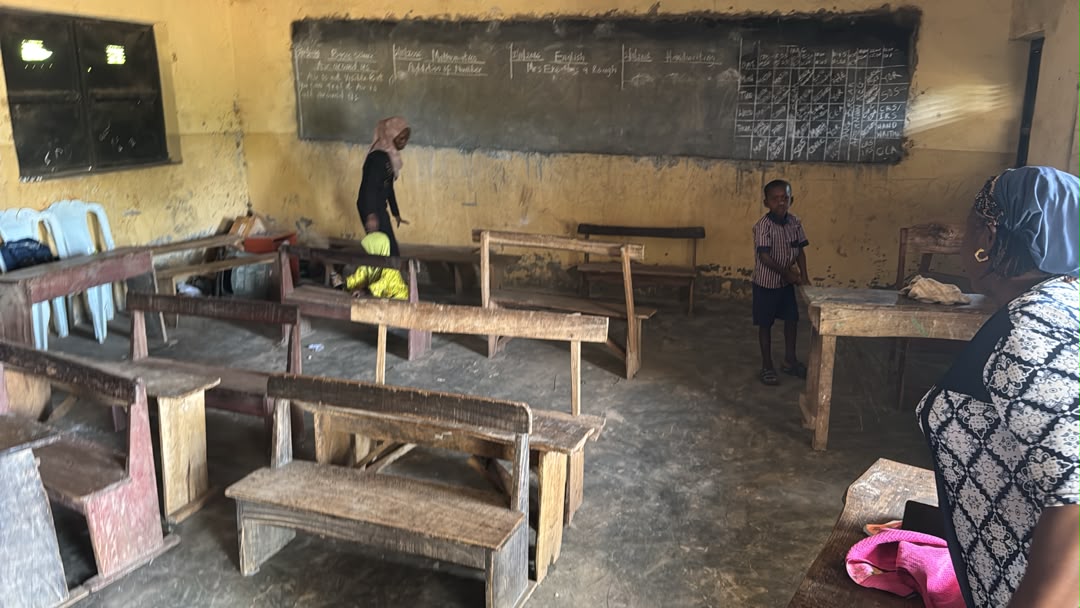
He particularly lamented the poor condition of the nomadic school at Yakubu’s settlement, Oja-Agbe, Iseyin, and other similar schools across the state, describing the situation as discouraging and detrimental to the educational development of nomadic children.
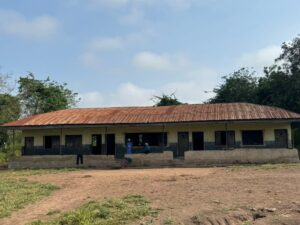
According to him, the dilapidated school buildings have made the learning environment unattractive, thereby discouraging pupils from attending school as expected.
He further identified the shortage of essential classroom furniture, including tables and chairs, as another major challenge confronting the schools.
Bello explained that the available furniture was outdated and weak, making it difficult for pupils to sit comfortably and properly position their writing materials during lessons.
He also lamented the lack of basic writing materials, noting that parents, who are mostly operating with limited resources, have been compelled to provide educational necessities for their children and wards without adequate institutional support.
The Fulani leader expressed concern over the absence of perimeter fencing around the school, warning that the situation exposes pupils and school facilities to potential security threats.
He therefore called on the Oyo State Government to construct perimeter fences and provide adequate security infrastructure in nomadic schools across the state.
Bello, however, stressed that the rights and privileges of Fulani communities should not be neglected, urging the government to address their educational and developmental needs.
He recalled that during the last electioneering campaigns, politicians approached Fulani leaders and communities across the state for support, which they reportedly provided.
He maintained that the period was now appropriate for political leaders to fulfil promises made to the Fulani community during the campaigns.
Bello expressed disappointment that many of the assurances given to the community had yet to translate into tangible improvements, particularly in education.
He appealed to the government to demonstrate its commitment to inclusive development by prioritising nomadic education and improving learning conditions for Fulani children.