

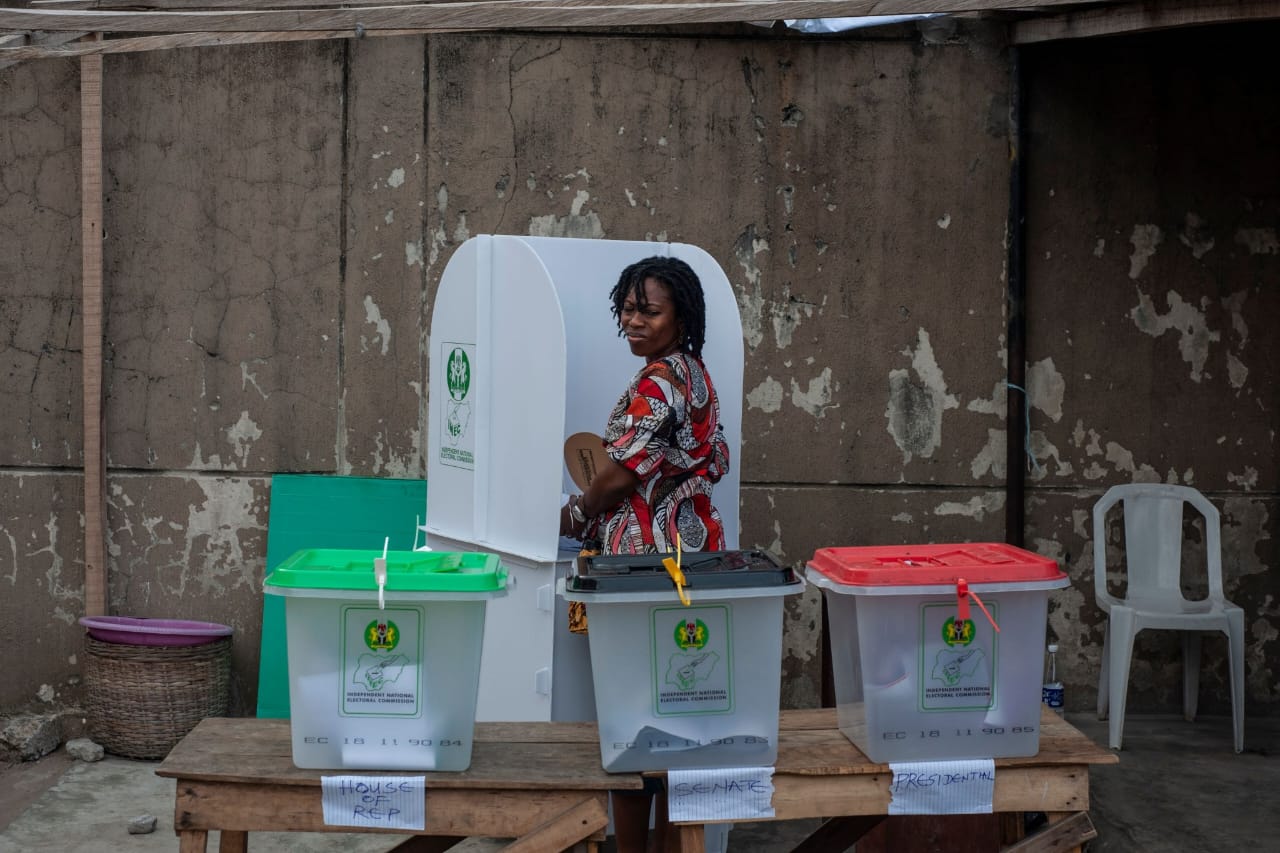
As Nigeria gradually enters another election cycle, political conversations are already revolving around campaign promises, political defections, alliances and permutations. Yet, perhaps the most important conversation remains absent. Rather than asking how to conduct credible elections, we should first ask a more fundamental question: why do politicians feel compelled to manipulate elections in the first place?
Imagine a member of the House of Representatives who has served for four years. The roads in the constituency remain impassable. Primary healthcare centres are dysfunctional. Young people are unemployed. Schools continue to deteriorate. Election season arrives, and rather than returning to present a compelling record of service, attention shifts to political calculations, patronage networks and strategies for securing victory. The legal right to seek re-election remains intact, but the social trust that should naturally produce electoral support has long disappeared.

Now consider a company operating in a host community. It possesses every licence required by law, yet repeatedly faces protests, operational disruptions and community resistance because local people feel excluded from the benefits of its operations. The company may satisfy regulators, but it has failed to satisfy society.
Both examples point to the same lesson: legality is not legitimacy.
Social legitimacy is the confidence that citizens voluntarily place in leaders and institutions because they consistently demonstrate fairness, competence, accountability and responsiveness. Unlike political office or regulatory licences, it cannot be obtained through formal procedures. It must be earned.
If Nigerian politics were built on social legitimacy, elections would become far less contentious.My assumptions bank on a sensible overtime confirmation that it is possible but usually difficult to rig elections against candidates with very high social legitimacy.
In addition, leaders who have genuinely improved the lives of their constituents would have little incentive to manipulate electoral outcomes because their strongest campaign asset would already exist, the confidence of the electorate.
Where public trust is high, elections become contests of ideas rather than contests of survival.
Unfortunately, too much of our politics has relied on substitutes for legitimacy. Instead of earning enduring public confidence through effective governance, political actors often depend on ethnic loyalties, religious sentiments, patronage networks, vote buying and what Nigerians popularly describe as “stomach infrastructure.” These may produce temporary electoral gains, but they do not create lasting trust between leaders and citizens. They merely postpone public disappointment.
Poverty has also become a political instrument. Citizens who struggle daily for survival are more vulnerable to immediate inducements than to long-term policy debates. This reality should trouble every democrat. A nation cannot continue to normalise transactional politics while expecting transformational leadership. The true measure of leadership is not the quantity of gifts distributed during campaigns but the quality of opportunities created throughout a term of office.
This is not to suggest that corruption, poverty or institutional weaknesses disappear overnight. Rather, no level of corruption should excuse the abandonment of the obligation to earn public trust. Even in difficult political environments, leaders retain a responsibility to build credibility through visible service, transparency, accessibility and accountability. Social legitimacy is not a luxury reserved for ideal democracies; it is a necessity for imperfect ones.
The same principle applies to corporations. Companies that genuinely engage communities, respect local concerns and share development opportunities spend less time managing crises and more time creating value. Trust reduces conflict. Dialogue reduces resistance. Legitimacy lowers the cost of doing business.
For politicians, the lesson is equally compelling. The most sustainable path to electoral victory is not manipulation but performance. It is far easier to defend a record of meaningful service than to manufacture acceptance where none exists.
As another election season approaches, Nigerians should demand more than campaign slogans. We should ask every aspiring office holder a simple question: What have you done to earn our trust?
Democracy is healthiest when leaders seek votes because they deserve them, not because they can manufacture them. Elections should affirm social legitimacy, not compensate for its absence.
If Nigeria is serious about deepening democracy, our greatest investment should not only be in electoral technology, legal reforms or security deployments. It should also be in cultivating a political culture where legitimacy is earned long before the first ballot is cast.
Power may be obtained through an election. But only social legitimacy can sustain it.